
-
×
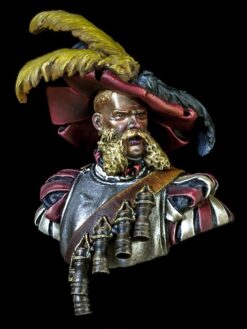 Lansquenet
1 × 15,00€
Lansquenet
1 × 15,00€ -
×
 Waichiki
1 × 36,00€
Waichiki
1 × 36,00€ -
×
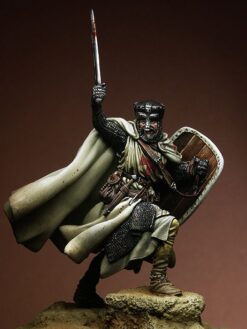 Knight in the Holy Land, XII Century
1 × 54,00€
Knight in the Holy Land, XII Century
1 × 54,00€ -
×
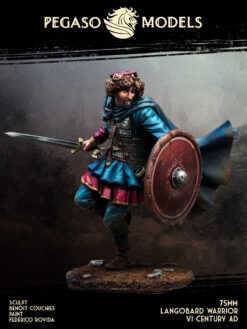 Langobard Warrior VI Century
1 × 54,00€
Langobard Warrior VI Century
1 × 54,00€ -
×
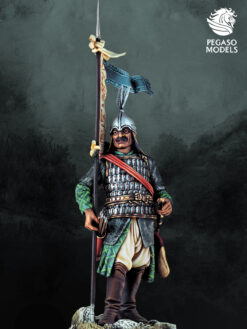 Ghulam Knight XII-XIII c. A.D.
1 × 24,00€
Ghulam Knight XII-XIII c. A.D.
1 × 24,00€ -
×
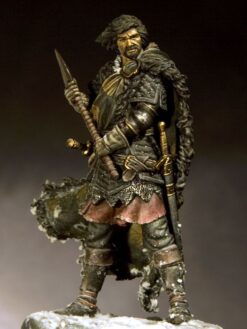 Scottish Nobleman, 14th Century
1 × 36,00€
Scottish Nobleman, 14th Century
1 × 36,00€ -
×
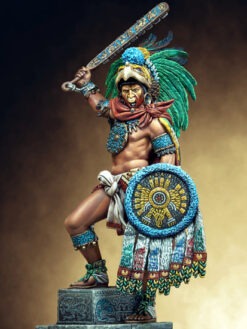 Montezuma
1 × 36,00€
Montezuma
1 × 36,00€ -
×
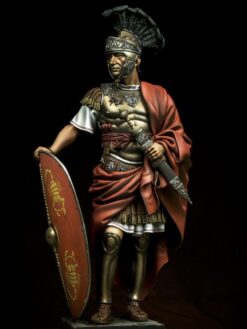 Pretorian Guard, 1? cen. B.C.
1 × 100,00€
Pretorian Guard, 1? cen. B.C.
1 × 100,00€ -
×
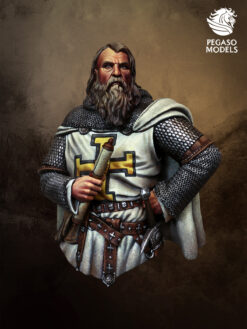 Teutonic Grand Master
1 × 54,00€
Teutonic Grand Master
1 × 54,00€ -
×
 Korean Warrior
1 × 54,00€
Korean Warrior
1 × 54,00€ -
×
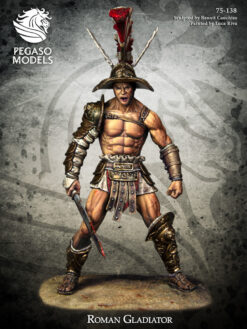
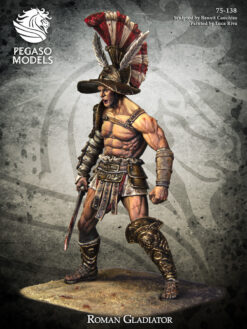
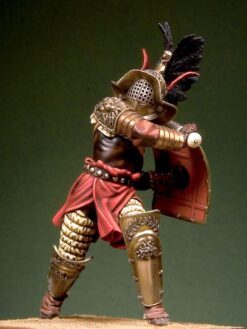 Roman Gladiator Thraex
1 × 48,00€
Roman Gladiator Thraex
1 × 48,00€ -
×
 XVI–XIX c. Balustrade – 54mm historical miniature scenery
1 × 10,00€
XVI–XIX c. Balustrade – 54mm historical miniature scenery
1 × 10,00€ -
×
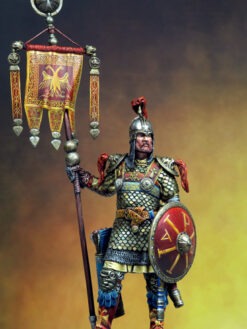 Byzantine Standard Bearer
1 × 36,00€
Byzantine Standard Bearer
1 × 36,00€
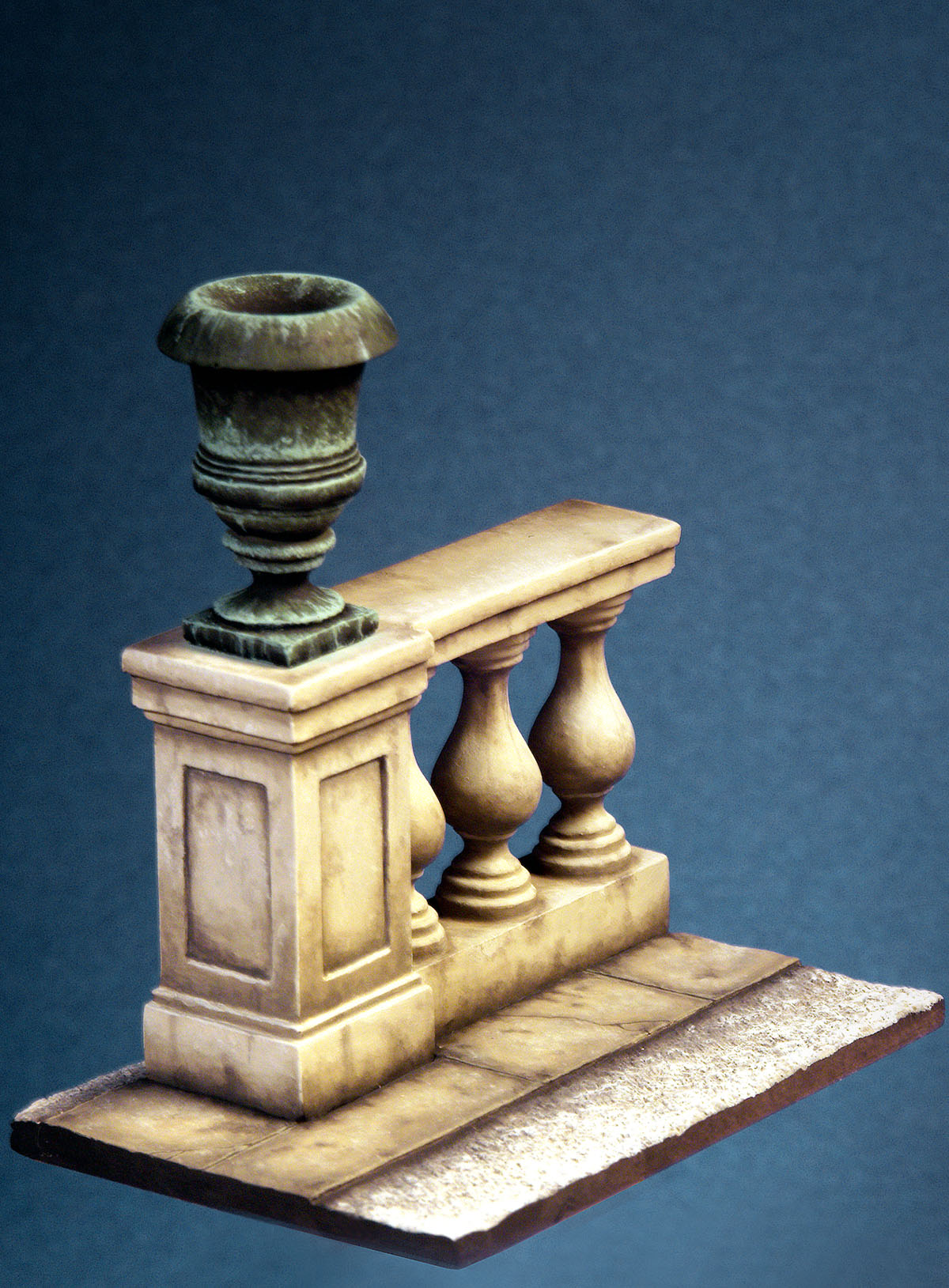
XVI–XIX c. Balustrade – 54mm historical miniature scenery
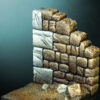
10,00€ With TAX 12,20€
SCALE: 54mm (1:32)
- This product is sold in a box containing some separated parts to be assembled and painted by modellers.
- Painted figures showed on our boxes and on our web pages are painting examples.
WARNING!
Not for sale to minors under 14 years. Paints, glue, cement, decals and metal sticks are not included. Some part is very small with sharp edges. Protect your eyes. Don?t eat the parts. Work in a very well ventilated room. Casted in resin and/or white metal. This is a temperature sensitive material.
Only 2 left in stock
Related Products
Sale!

Original price was: 97,00€.80,00€Current price is: 80,00€. With TAX 97,60€
Sale!


Original price was: 54,00€.36,00€Current price is: 36,00€. With TAX 43,92€
Sale!
Original price was: 54,00€.40,00€Current price is: 40,00€. With TAX 48,80€